In the thermal coating process, the base material is coated with molten material that sticks to the base material without mixing with it. This method offers several benefits compared with welding: the characteristics of the base material remain unchanged, no post-coating pressure tests are required in pressurized equipment, and different metals and materials can be used together (e.g. zinc or ceramic coating on steel). The biggest downside is the coating does not count as material thickness in strength calculations.
We provide several options for different applications. We have also developed and patented several additives for various applications, e.g. erosion coating TE-7B, which has proven to be efficient in incineration plant boilers such as the Vaskiluodon Voima power plant in Seinäjoki since 1992.
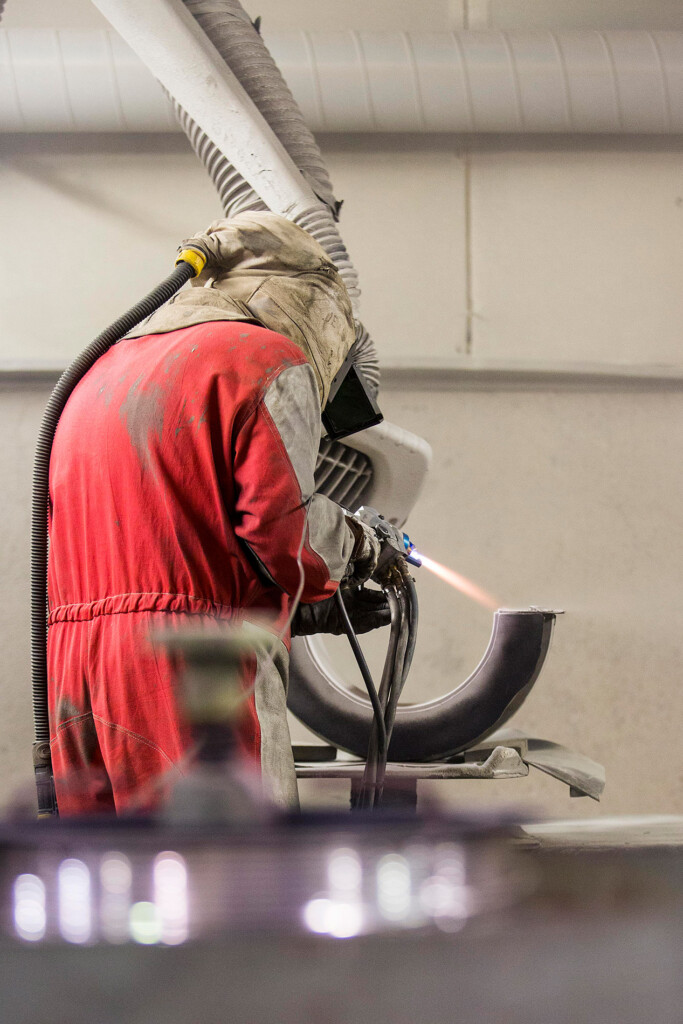
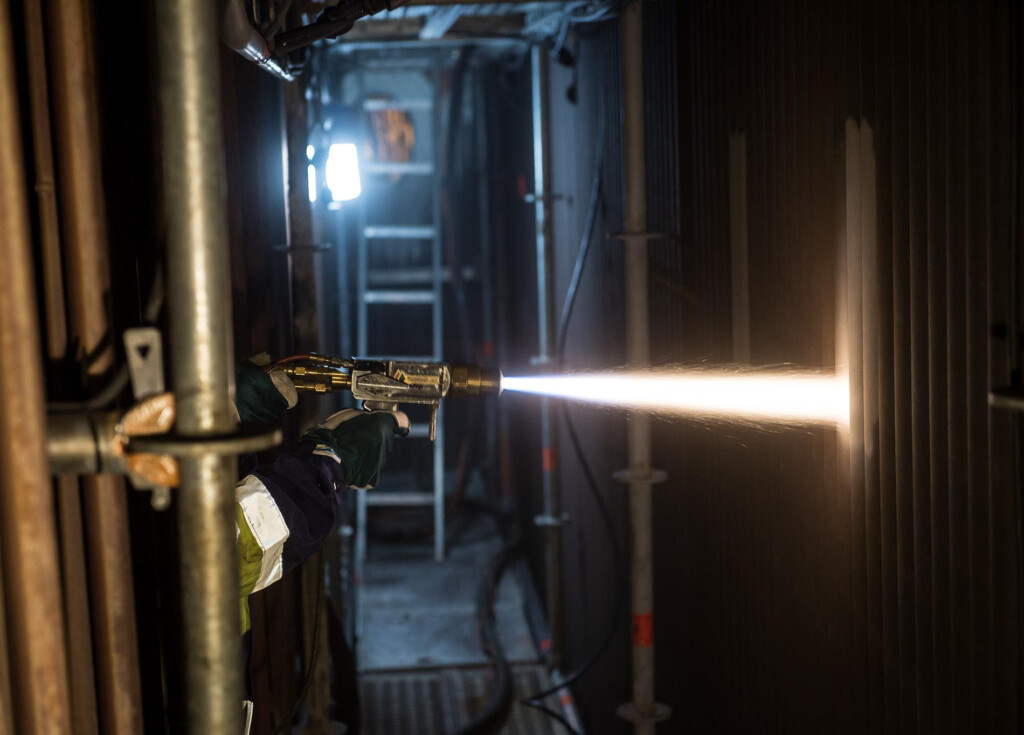
Thermal spraying is a general term for spraying methods, where a solid additive is melted, and the molten material is applied as fine mist at a high velocity to a pretreated surface, creating a durable coating. The additives can be metals, alloys, oxides, carbides, plastics, and mixtures of the above.
Improving abrasive, erosive, and corrosive wear resistance
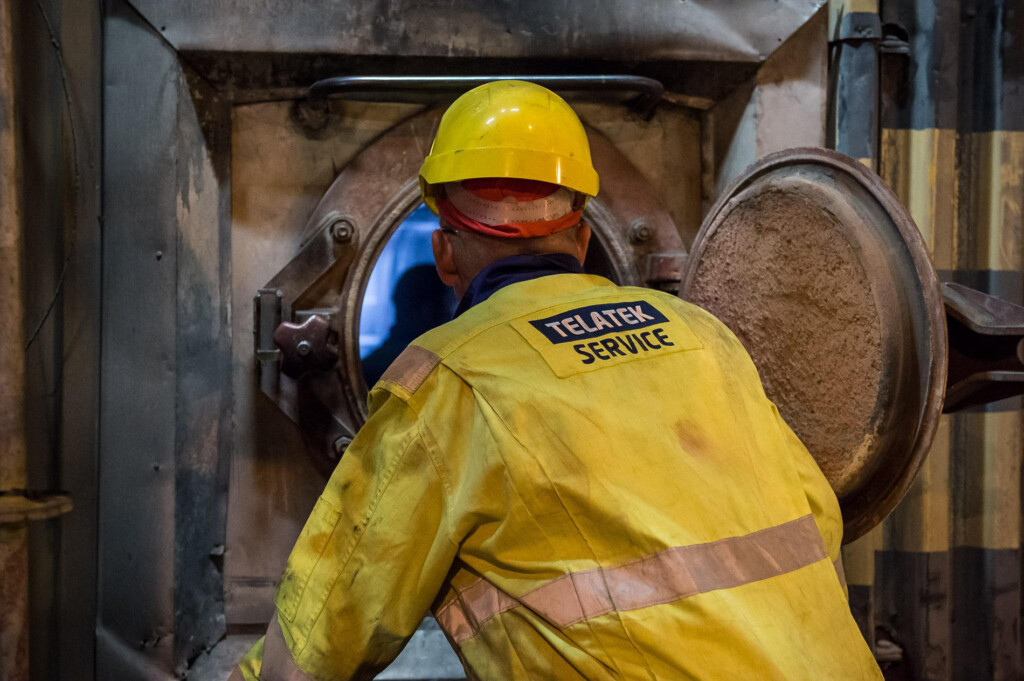
Telatek Service has a long experience in thermal spraying. Thermal spraying is used in several industries to increase the life of machines and equipment. Thanks to the variety of our coating options, our methods can be implemented in several different applications.
Thermal spraying has several benefits. It helps cut down spare part investment and maintenance costs, improves usability, and enables the production of higher-quality products.
Coating quality control covers the coatability of the relevant surface, the coating conditions,
equipment/pressure air/materials/operator qualifications, shot blasting quality, consumption of coating additive, the thickness of the coating, and the quality of the surface. Quality control is documented in a report.
Typical applications for thermal spraying include
Steam preheaters (nuclear power plants)
Steam and gas turbine sealing surfaces
Turbine housings and inner housings
Turbine blades and labyrinths
Various parts in power plant boilers
Power plant flue gas cleaner bearing housings, adapters and couplings
Coatings of pump rotors, housings, suction, and pressure ends (stelliting)
Coatings of valve sealing surfaces and shanks
Babbitt bearings
Autoclaves
Reactors
Boilers
Filters
Cyclones
Soda boiler floors
Containers and silos
Axle bearing and sealing surfaces
Feeding and conveyor screws
Fan parts
Offshore and onshore structures
Machine rolls and cylinders
Wind turbine foundation rings and other steel structures
Pulleys
Heat insulation and heat seal coatings (zirconium oxides)